Guides & tips
Clear, practical writing and study guides, and the free tool to get each one done in a click.
How to Disclose AI Use in an Assignment
More courses now allow AI and require you to say how you used it. What a disclosure statement is, what to put in it, a template you can adapt, and the two mistakes that cause trouble.
How to Proofread Your Own Writing
A practical guide to catching your own typos, missing words, and grammar slips: why your brain hides them, the passes that actually work, and a reusable checklist.
How to Email a Professor About a Research Opportunity
A step by step guide to writing the cold email that asks a professor for research experience, with a full worked example, a follow-up you can copy, and the mistakes that make an email easy to ignore.
How to Write a Reflective Essay (Structure + Example)
A step-by-step guide to writing a reflective essay: how to choose the event, which reflective model to use, a 1,500-word structure, a full worked paragraph you can adapt, and the citation details that cost marks.
How AI Study Tools Actually Help in a Student's Day
AI can save you hours without doing your thinking for you. Here's where it genuinely helps across a normal school day, from readings to essays to slides, and how to use each one well.
How to Use AI for Schoolwork Without Losing Your Own Voice
AI can make you a faster, clearer writer, or a generic one who gets flagged. The difference is how you use it. A practical, honest guide to using AI in your studies and keeping the work yours.
How to Write a Strong Thesis Statement (With Examples)
Your thesis is the one sentence your essay defends. Learn the four marks of a strong thesis, a reusable formula, weak-vs-strong examples, and the mistakes to avoid.

How to Make AI Writing Sound Like You (Not a Robot)
Turn stiff, robotic AI drafts into writing that sounds like you — vary your rhythm, cut the clichés, and run a quick self-check before you submit.

What Is an AI Humanizer? How It Works and When It Helps
An AI humanizer rewrites stiff, machine-sounding text into natural writing. Here is what it actually does, what no humanizer can promise, and when it helps.

Is Using an AI Humanizer Cheating? An Honest Answer
Whether an AI humanizer counts as cheating depends on how you use it and what your course allows. An honest guide to staying on the right side of the line.
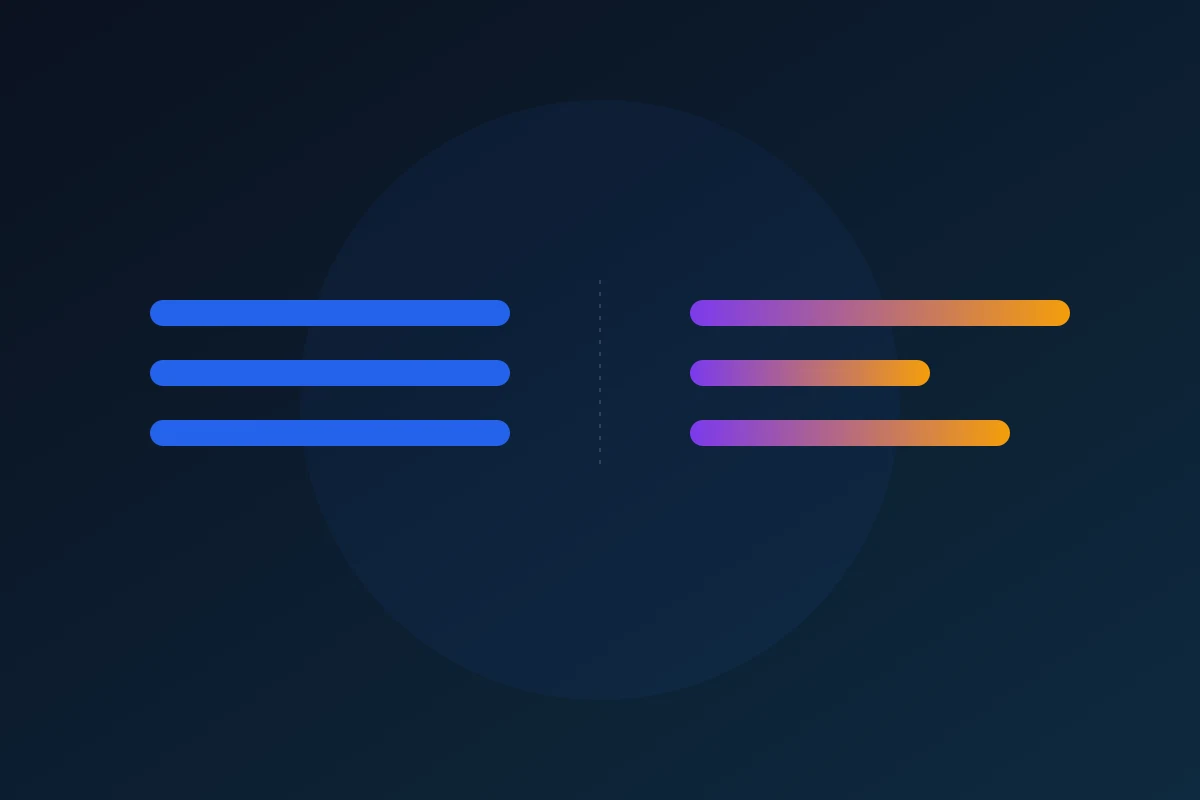
AI Humanizer vs Paraphraser: Which One Do You Need?
A humanizer and a paraphraser sound similar but do different jobs. Here is the plain difference, and how to pick the right one for what you are writing.
Is There a Free AI Humanizer? Yes, and How to Use One Well
There are free AI humanizers, but 'free' hides a catch with most of them. Here is what free should actually mean, and how to use a humanizer the right way.
Why AI Detectors Flag Non-Native English Writers (and How to Protect Your Work)
AI detectors flag writing by non-native English speakers far more often. A Stanford study found the majority of their essays wrongly flagged. Here is why, and what to do.
How to Cite a Website (APA, MLA, and Chicago), With Examples
Websites often lack a clear author or date, which is what makes them tricky to cite. Here is how to cite one in APA, MLA, and Chicago, including the no-author and no-date cases.
How to Cite ChatGPT and AI Tools (APA, MLA, and Chicago)
If your course allows AI and you used it, you usually have to cite it. Here is how to cite ChatGPT and other AI tools in APA, MLA, and Chicago, and when a citation isn't the point.
How to Do In-Text Citations (APA, MLA, and Chicago)
The in-text citation is the pointer in your sentence that links a claim to its source. Here is how in-text citations work in APA, MLA, and Chicago, with examples.
How to Cite a Book (APA, MLA, and Chicago), With Examples
A book is the easiest source to cite because everything you need is on the copyright page. Here is the clean form in APA, MLA, and Chicago, plus editions, chapters, and e-books.
How to Cite a Journal Article (APA, MLA, and Chicago)
Journal articles are the most-cited source in academic writing. Here is how to cite one in APA, MLA, and Chicago, and the DOI shortcut that gets the details right.
Affect vs. Effect: The Rule That Finally Sticks
Affect is almost always a verb; effect is almost always a noun. Here is the simple rule, the memory trick, and the two exceptions, with examples.
Their, There, They're: The Difference, With Examples
Their is possessive, there is a place, and they're means 'they are.' Here is how to tell the three apart every time, with a trick for each.
Your vs. You're: How to Never Mix Them Up Again
Your is possessive; you're means 'you are.' One quick test settles it every time. Here is the difference, with examples and a trick.
Then vs. Than: The Difference in One Minute
Than makes a comparison; then is about time or sequence. Here is the quick way to tell them apart, with examples.
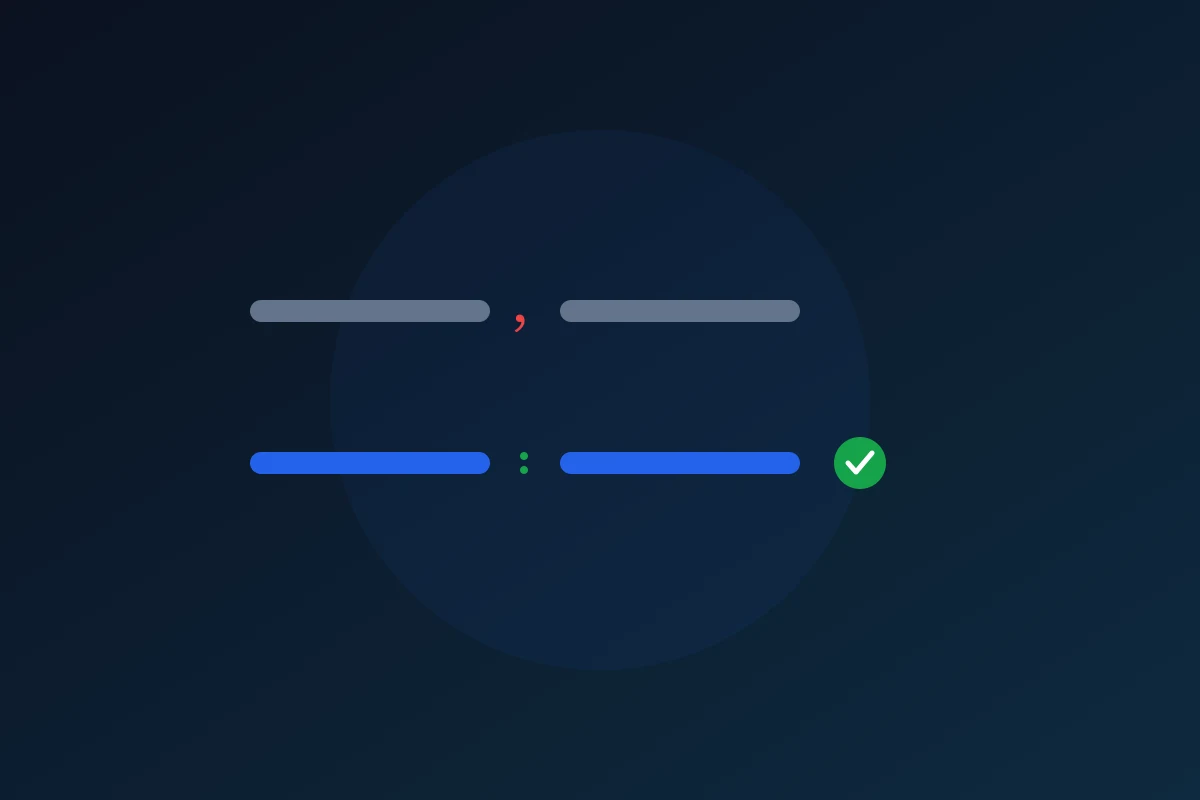
Comma Splices: What They Are and How to Fix Them
A comma splice joins two full sentences with only a comma. Here is how to spot one and the four clean ways to fix it, with examples.
Who vs. Whom: The Him/He Trick That Never Fails
Who is the subject; whom is the object. Answer the question with he or him and you will always know which to use. Here is the trick, with examples.
Paraphrasing vs. Summarizing vs. Quoting: When to Use Each
There are three ways to use a source: paraphrase, summarize, or quote. Here is what each one is, when to use it, and the rule that ties all three together.
How to Paraphrase a Quote (Without Plagiarizing)
Paraphrasing a quote lets you use the idea in your own voice. Here are the steps to do it well, what counts as too close, and why you still cite it.
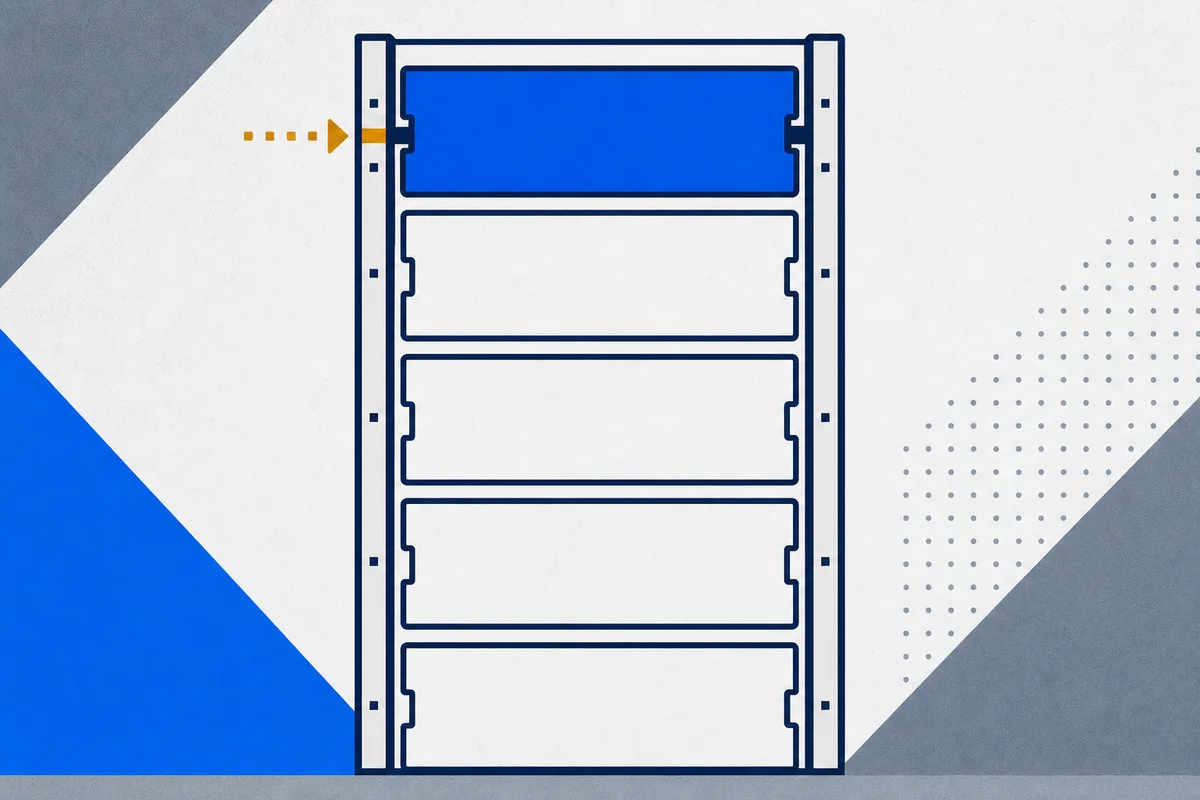
Résumé Format for Freshers: A Clean One-Page Template
Learn the standard one-page résumé format for freshers — section order, strong accomplishment bullets, what to list with no experience, and ATS tips.
How to Cite Sources in APA (7th Edition), With Examples
Learn how to cite sources in APA 7th edition, with correct examples for journal articles, books, chapters, and web pages, plus in-text citation rules.
How to Write a Cover Letter That Gets Read
Learn how to write a cover letter recruiters actually read — a simple structure, strong openings, and honest proof, with examples for students.

How to Write a Statement of Purpose for Grad School
Learn how to write a statement of purpose that shows fit, motivation, and real evidence — with structure, opening lines, and honest examples.

How to Paraphrase Without Plagiarizing (With Examples)
Learn how to paraphrase without plagiarizing: what real paraphrasing is, why swapping synonyms isn’t enough, a simple method, and when you still must cite.
How to Summarize an Article (A Simple Method)
Learn to summarize any article the simple way — find the main idea, capture the key points in your own words, and stay fair to what the author said.
10 Common Grammar Mistakes (and How to Fix Them)
The grammar mistakes students make most — its vs it’s, comma splices, run-ons and more — explained simply, with clear before-and-after fixes.

How to Cite Sources in MLA (9th Edition), With Examples
Learn how to cite sources in MLA 9th edition — in-text citations, the Works Cited page, the nine core elements, and copy-ready examples for students.
How to Write a Professional Email (With Examples)
Learn how to write a professional email that gets a reply — subject line, greeting, tone, and a clear ask — with a worked student-to-professor example.
How to Write an Essay Introduction (With Examples)
Learn how to write an essay introduction that earns attention, gives context, and ends on a strong thesis — with weak vs strong examples.

How AI Content Detectors Work (and What They Can’t Tell You)
How AI detectors actually work — perplexity, burstiness, false positives — why a score is never proof, and how to use one to write in your own voice.

How to Calculate Your GPA (Weighted and Unweighted)
Learn how to calculate your GPA on the 4.0 scale, the difference between weighted and unweighted, and a worked example you can copy.
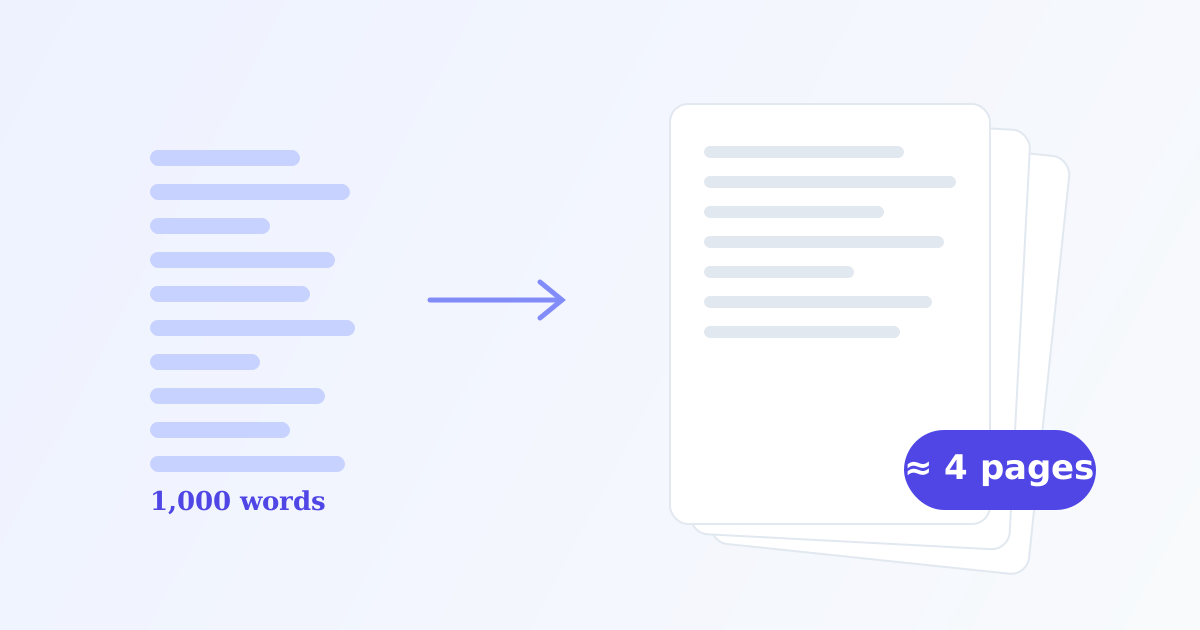
How Many Pages Is 1,000 Words? (Words to Pages, Any Length)
How many pages a word count fills, double- or single-spaced, with a live words-to-pages tool and a quick reference table for 250 to 5,000 words.
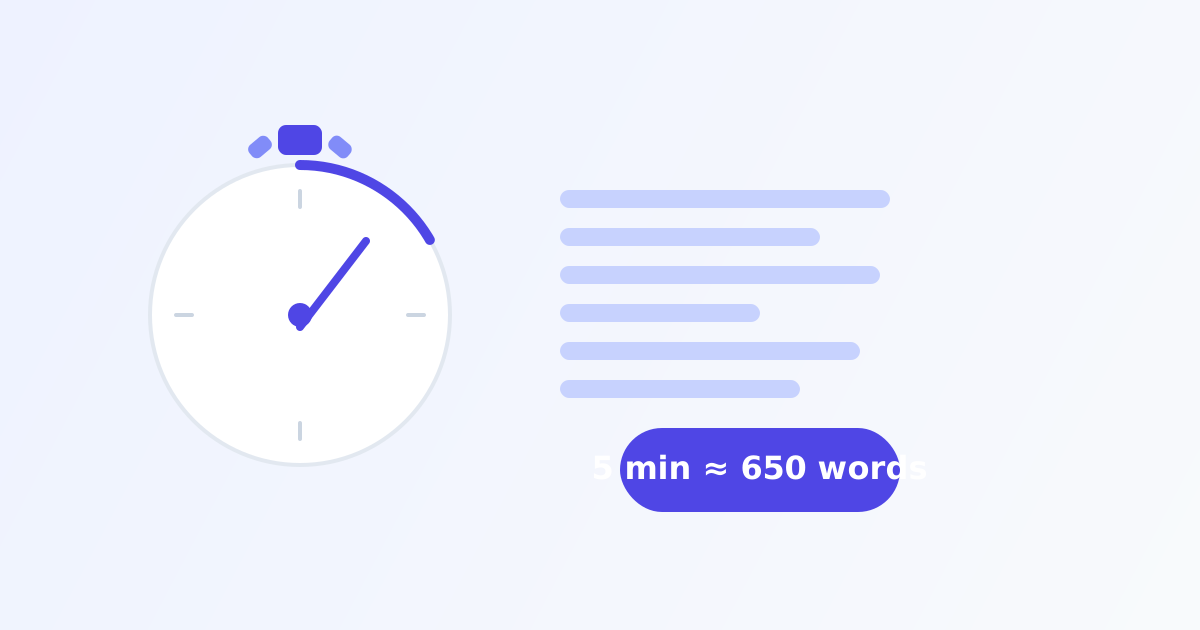
How Many Words Is a 5-Minute Speech? (Any Length)
Roughly how many words fit in a timed speech, with a live speech-length calculator and a reference table from 1 to 20 minutes at a normal speaking pace.

How to Write a Conclusion Paragraph (With Examples)
Learn how to write a conclusion paragraph that gives real closure — restate your thesis, synthesize your points, and end on why it all mattered.
How to Make a Study Guide That Actually Helps
Learn how to make a study guide that actually raises your grade — what to include, how to structure it by subject, and the habits that make it stick.
How to Write a Research Question (With Examples)
Learn how to write a strong research question, narrow a broad topic, and avoid common mistakes — with clear weak-vs-strong examples.
How to Turn an Outline Into a Full Essay Draft
Learn how to turn an outline into a full essay draft — expand each point into a paragraph with a simple, repeatable method that beats the blank page.
How to Write an SOP for MS in the USA (Guide for Indian Students)
An honest, practical guide for Indian students on writing a strong SOP for an MS in the USA: structure, real examples, and openings that avoid clichés.

How to Write Clear, Natural English (Tips for ESL & Indian Students)
Clear, practical tips to make your English read natural and confident. For ESL and Indian students who want writing that sounds like them, not a textbook.

Common English Mistakes Indian Students Make (and Easy Fixes)
Indian English is a valid variety. Learn the common academic English slips and quick fixes so your essays and emails read clearly for any global reader.
How to Avoid Plagiarism in Your Assignments (A Student's Guide)
Learn how to avoid plagiarism in your assignments the honest way: understand what counts, paraphrase properly, and cite every source correctly.
How to Write a College Application Essay (Common App)
Learn how to write a college application essay for the Common App: pick a true story, show don’t tell, respect the 650-word limit, and sound like you.

How to Write an Argumentative Essay (Structure and Examples)
Learn to write an argumentative essay that takes a clear position and defends it: strong thesis, structure, evidence, rebuttals, and a revision pass.

How to Write a Resume, Step by Step (With Examples)
Learn how to write a resume step by step: the right sections, results-driven bullets, honest numbers, keyword tailoring, and ATS-safe formatting.

How to Improve Your IELTS Writing (Task 2)
Improve your IELTS Writing Task 2: understand the four marking criteria, plan in five minutes, structure four paragraphs, and practise honestly.

How to Write an Abstract for a Research Paper (With Examples)
Learn how to write an abstract for a research paper: the four-move structure, descriptive versus informative types, length and tense rules, and an example.

How to Write a Literature Review (A Step-by-Step Guide)
Learn how to write a literature review step by step: synthesize sources by theme, not summaries, and pinpoint the research gap your work will fill.
How to Use Sources in an Essay (Quote, Paraphrase, Summarize)
Learn when to quote, paraphrase, or summarize, how to weave sources into your argument, and why every borrowed idea needs a citation.

How to Integrate Quotes Into Your Essay (With Examples)
Stop dropping quotes into essays. Learn the quote sandwich — introduce, present, explain — plus signal verbs, citation basics, and a before-and-after example.
How to Take Research Notes (Without Accidental Plagiarism)
Turn messy reading into an honest, well-labeled note system that prevents accidental plagiarism and hands you a paper that is already half-written.
How to Write a Research Paper, Step by Step
Learn to write a research paper step by step, from a focused topic and thesis to researching, note-taking, drafting, revising, and citing sources.
How to Find and Evaluate Credible Sources
A practical guide for students: where to find scholarly sources, how to tell primary from secondary, and how to run the CRAAP test on any source.
How AI Is Changing Education — and How to Use It Without Losing Your Edge
AI is reshaping how students learn, write, and study. Here is what is genuinely changing, where the real risks sit, and how to use AI as an amplifier for your own thinking — not a replacement for it.

Academic Integrity in the Age of AI: How to Use AI Tools Honestly
AI can write a whole essay in seconds — which is exactly why integrity matters more now, not less. Here is the honest line between getting help and handing in work that is not yours.
A World of Students: India, the US, Brazil, and the Global Classroom
There have never been more students alive than right now. A look at how large the world’s student population really is, why this generation is different, and what an honest, in-your-voice tool means for all of them.
Why AI Detectors Flag Writing You Actually Wrote
AI detectors flag real student writing every day, and it is worst for non-native speakers. Here is why it happens and what to do if it happens to you.
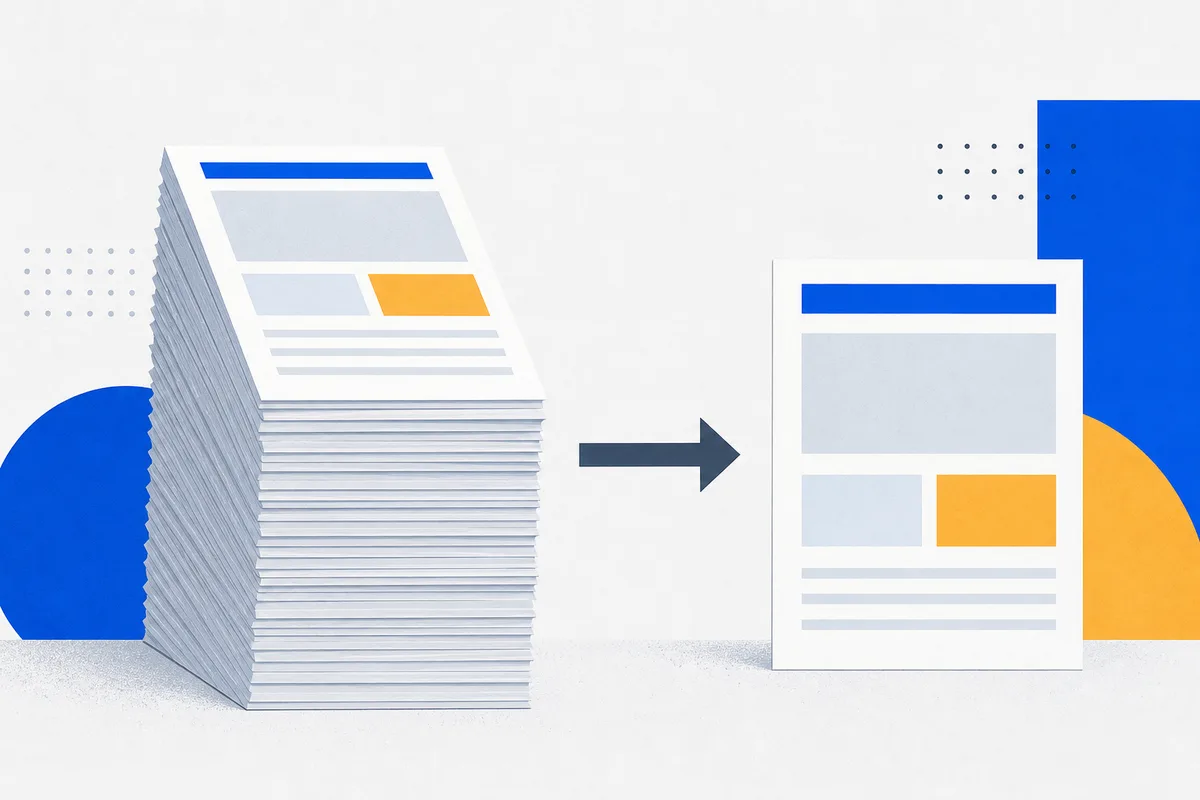
How to Write a Resume That Fits on One Page
Cutting a resume to one page without gutting it. What to remove first, what recruiters actually read, and why shrinking the font does not work.
What the Turnitin AI Report Actually Shows Your Professor
The AI writing indicator is not the similarity score. What your professor sees, what the percentage means, and what Turnitin says about its own limits.
Can Turnitin Detect AI? An Honest Answer for 2026
Yes, but not the way most students think. How Turnitin's AI detector works, how accurate it really is on ChatGPT and edited text, and why it also flags real writing.
Is GPTZero Accurate? What the Numbers Actually Say
GPTZero is one of the better AI detectors, but accurate hides two very different numbers. How often it catches AI, how often it is wrong about humans, and how to read a score.
Can You Make AI Writing Undetectable? The Honest Answer
The internet is full of 100% undetectable promises. Here is why permanent invisibility is not real, why word-swapping backfires, and what genuinely lowers the signal.
Does Turnitin Detect Paraphrasing Tools?
Running text through QuillBot or a spinner feels safe. Turnitin now looks for the paraphraser fingerprint itself, and the risk is retroactive. Here is what it can see.
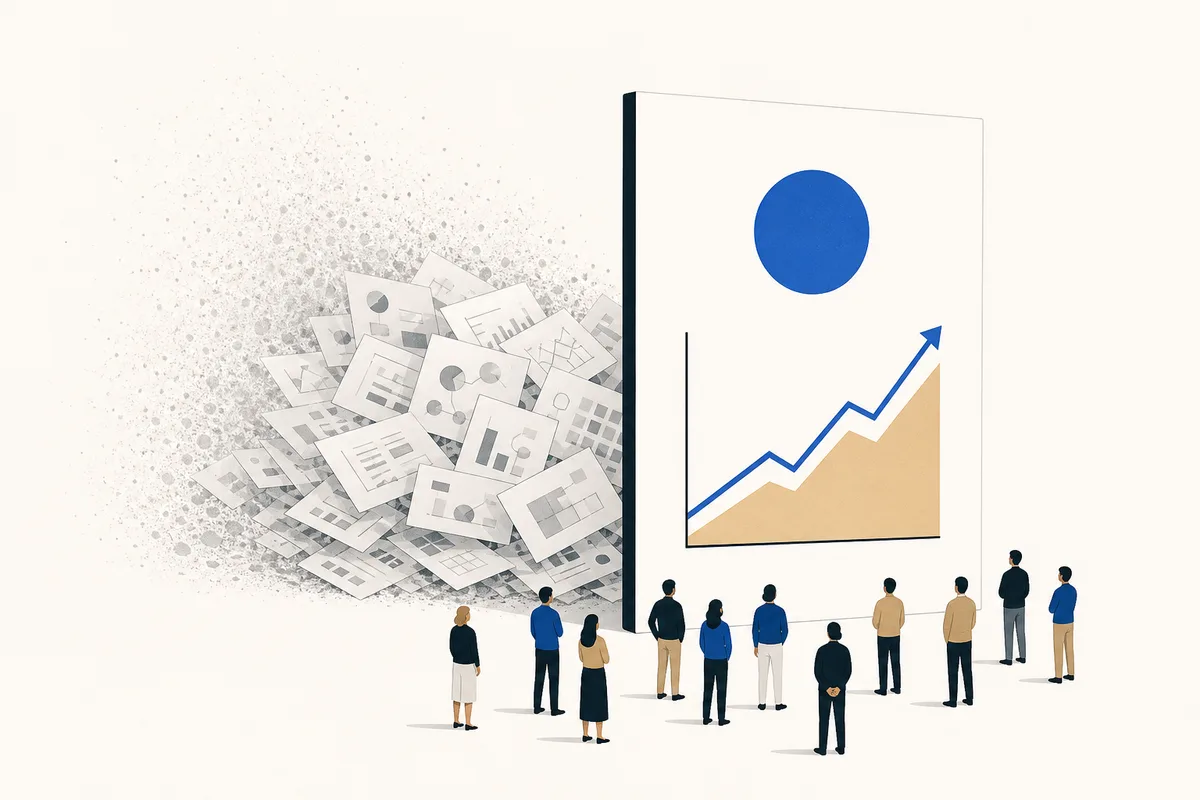
How to Make a Class Presentation That Doesn't Lose the Room
How many slides, what goes on them, and what to do with your hands. A practical guide to presenting for a class or seminar, from planning to the last slide.
How to Make Your Resume ATS-Friendly (Without Making It Ugly)
What applicant tracking systems actually read, which formatting choices break parsing, and how to check your own resume before you apply.

The STAR Method: How to Answer Interview Questions With an Example
Situation, Task, Action, Result. What each part is for, how long to spend on each, and how to prepare stories instead of memorising answers.
How to Write a Lab Report (Structure, Sections, and a Full Example)
A clear guide to the standard lab report structure, what each section is really for, the passive-voice question settled, common mistakes, and a worked methods example you can model.
How to Make a Study Schedule for Finals (That You Will Actually Follow)
A realistic method for building a finals study schedule: work backward from the exam dates, space your revision, size the blocks honestly, and leave slack so one bad day does not sink the plan.
How to Improve the Readability of Your Writing (Without Dumbing It Down)
A practical guide to making academic writing easier to read: what a reading level really measures, how to fix the sentences that drag it up, and how to keep your meaning while losing the fog.
How to Reduce Your Word Count Without Losing the Argument
You are over the limit and every sentence feels necessary. A practical method for cutting an essay down: what to remove first, the phrases that pad every draft, and what you should never cut.
How to Use Synonyms in Your Writing (Without Sounding Like a Thesaurus)
A thesaurus makes writing worse more often than better. When a synonym genuinely helps, why near-synonyms are not equal, and how to swap a word without changing what you meant.
How to Write a Discussion Board Post That Earns Full Marks
Online-course discussion posts have a hidden rubric: answer the prompt, ground a claim in the reading, and give classmates something to reply to. Here is how to hit all three.
How to Make Flashcards That Actually Work (Not Just Look Busy)
Most flashcards fail because they test recognition, not recall. The rules that make cards actually stick: one idea per card, ask don't show, and review on a schedule.
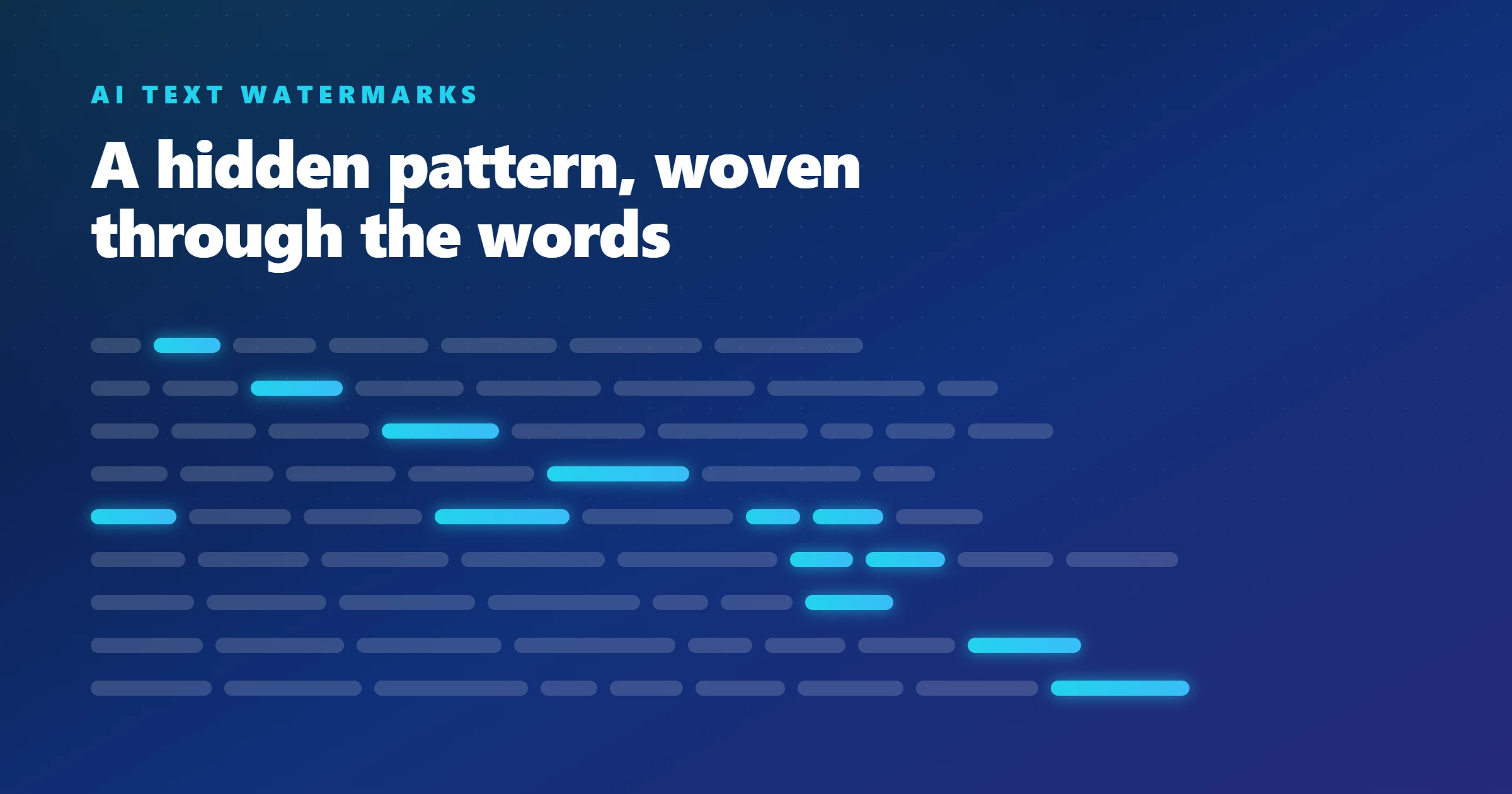
AI Text Watermarks: What They Are, and Can Your School Detect Them?
Anthropic and Google now watermark AI-generated text. Here is what an AI text watermark actually is, whether a school can detect one, and what it honestly means for your writing.
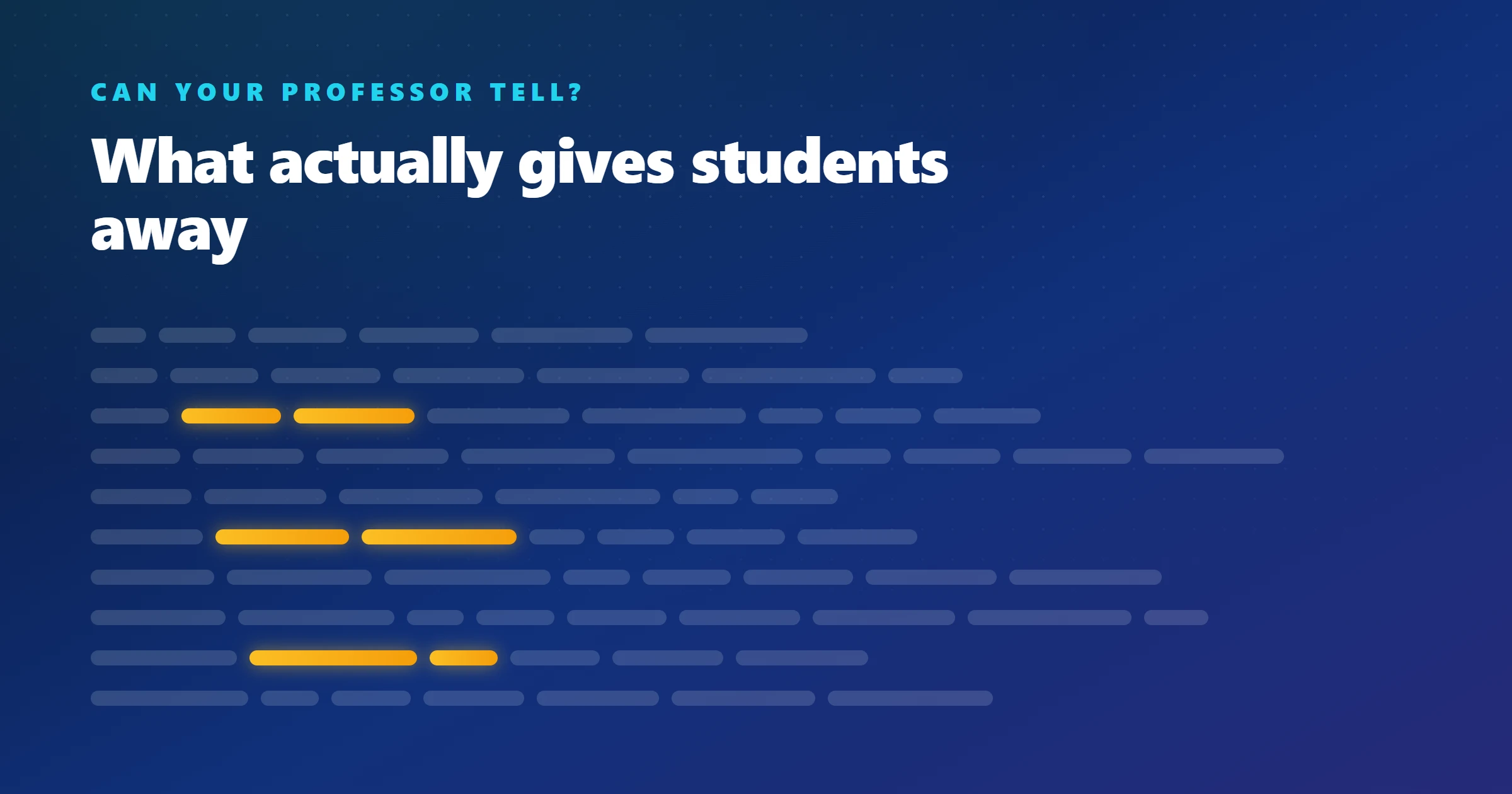
Can Your Professor Tell If You Used ChatGPT?
The honest answer to whether a teacher can tell you used ChatGPT: what AI detectors really do, why the new AI watermarks will not catch you, and the tells that actually give students away.
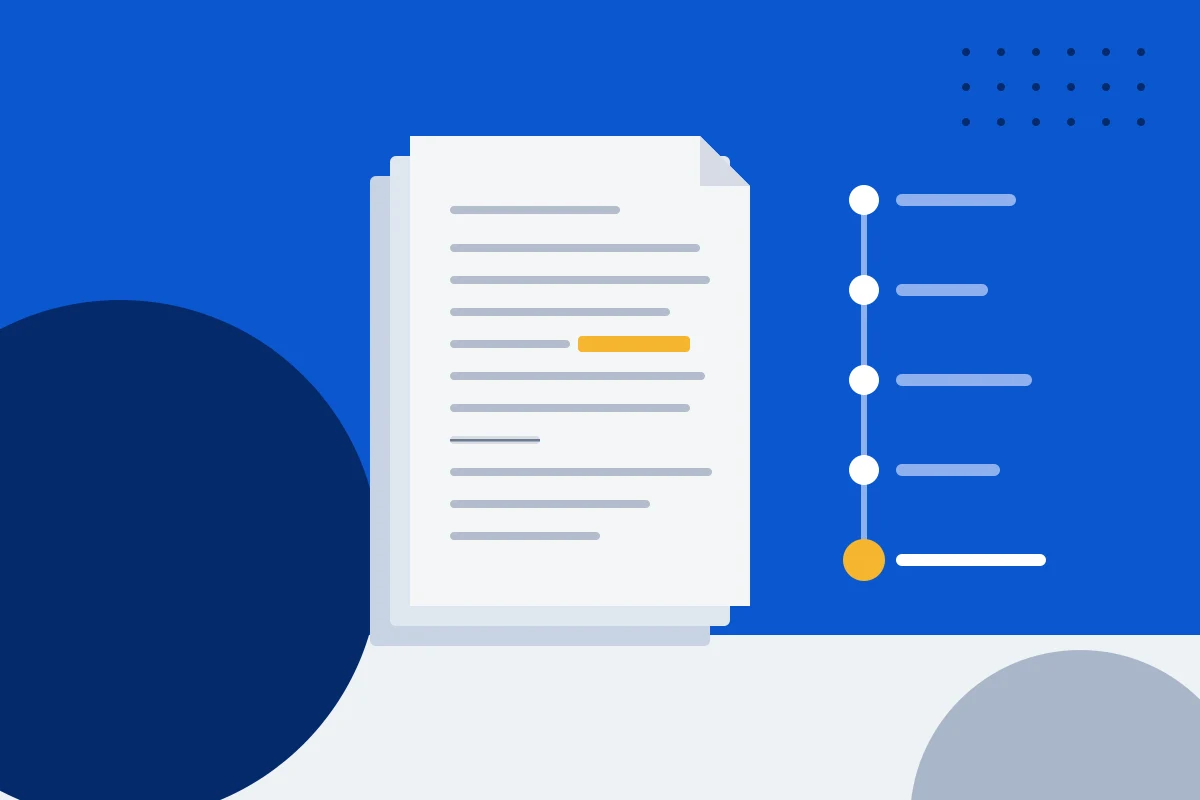
How to Prove You Didn't Use AI on Your Essay
Flagged by an AI detector for work you wrote? What to do in the first hour, where to find your version history, and how to prepare for the meeting.
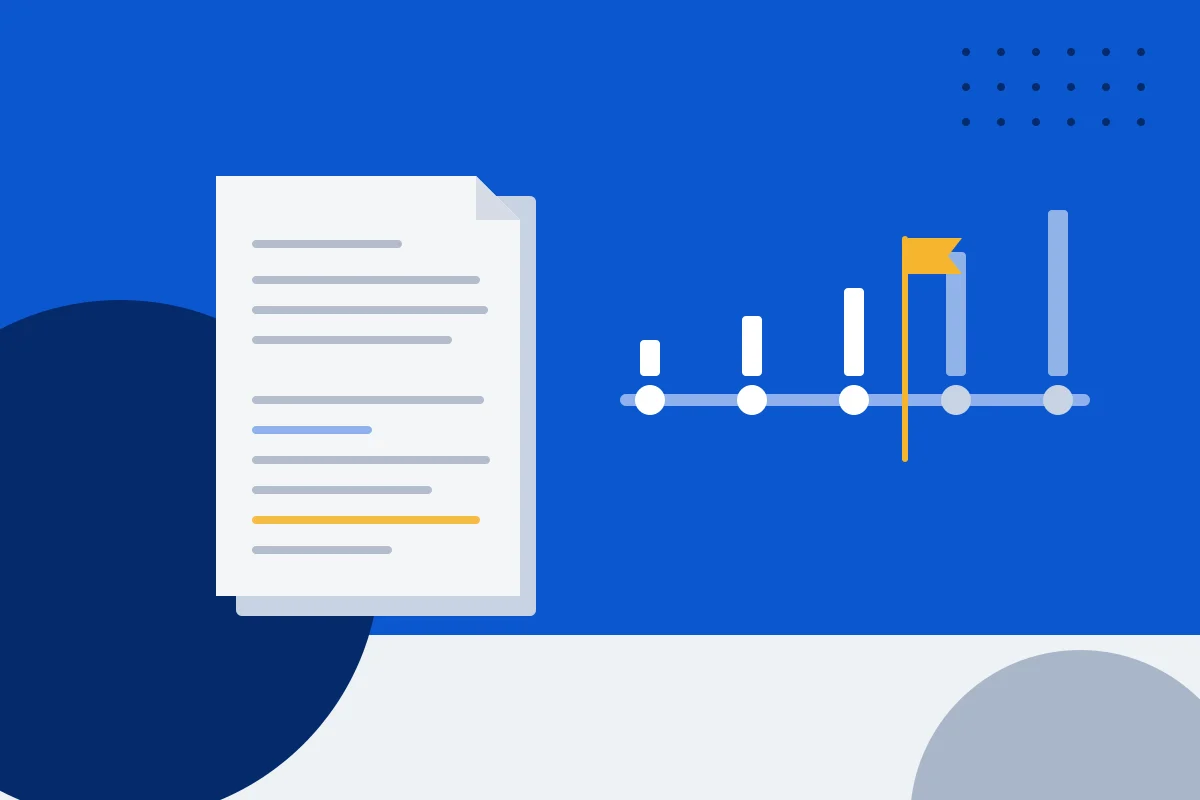
What Counts as AI Assistance in an Assignment?
Grammar fixes, brainstorming, rewording, drafting: which kinds of AI help need acknowledging, and how to find where your course draws the line.