How to Paraphrase Without Plagiarizing (With Examples)
Learn how to paraphrase without plagiarizing: what real paraphrasing is, why swapping synonyms isn’t enough, a simple method, and when you still must cite.
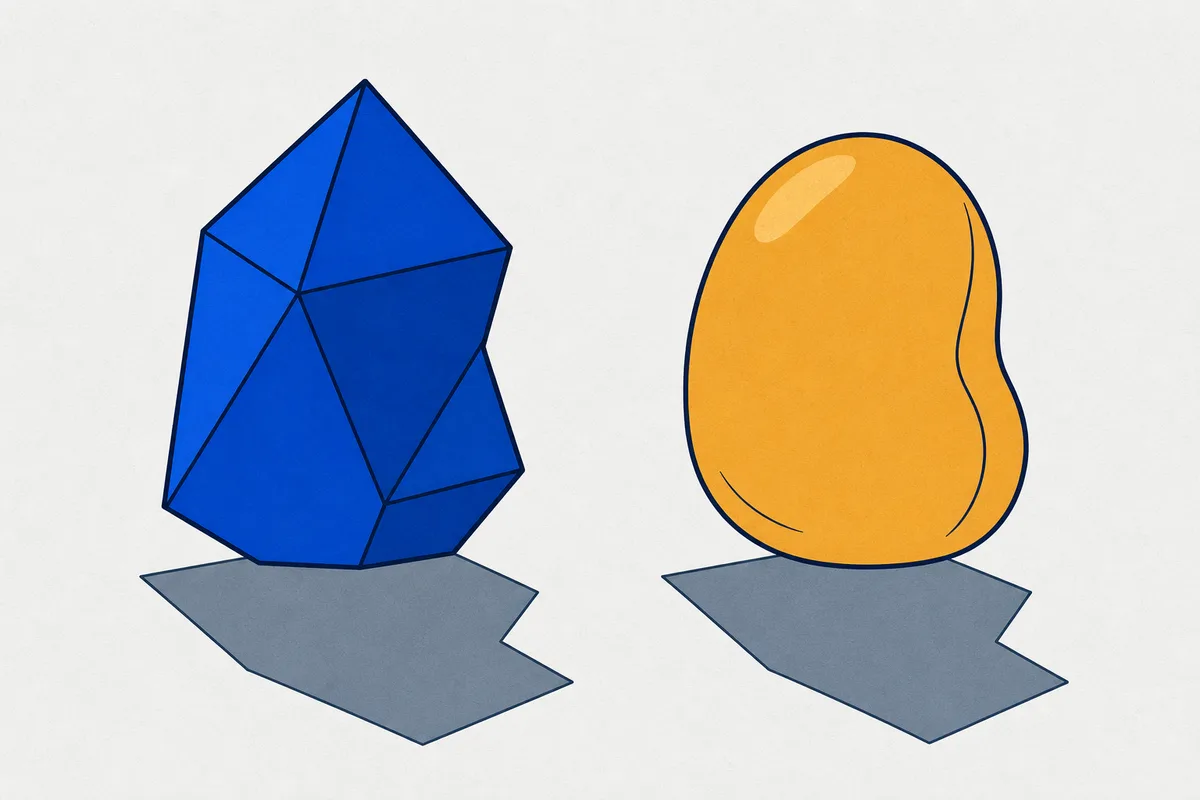
Paraphrasing is one of the most useful skills in academic writing, but it is also one of the easiest to get wrong. Plenty of students believe that as long as they change a few words, swap in some longer synonyms, and rearrange the odd phrase, they have written something original. Unfortunately, that is exactly the habit that trips honest people into plagiarism without meaning to.
The good news is that real paraphrasing is a learnable process, not a talent. Once you understand what a paraphrase actually is — and what it is not — you can restate almost any source in your own words with confidence. This guide walks through a reliable method, shows you the difference between good paraphrasing and lazy word-swapping, and explains why even a perfect paraphrase still needs a citation.
What paraphrasing actually means
A paraphrase is a restatement of someone else’s idea in your own words and your own sentence structure, at roughly the same length as the original. The key phrase there is ‘sentence structure.’ If you keep the author’s skeleton and only redecorate the surface, you have not really paraphrased anything — you have copied the thinking and disguised it.
Think of it this way: a genuine paraphrase should read as if you understood the idea, closed the book, and explained it to a friend. The meaning survives; the wording and the shape of the sentences are yours.
- Keeps: the original meaning, the facts, and the author’s intent
- Changes: the vocabulary, the sentence structure, and the order in which ideas appear
- Never keeps: distinctive phrases or memorable wording lifted straight from the source
Why swapping synonyms is still plagiarism
Replacing words one by one — a technique teachers call patchwriting — feels productive, but it is a trap. When you keep the original sentence pattern and just drop synonyms into the gaps, the underlying structure still belongs to the author. Most plagiarism checkers flag it, and more importantly, so will any reader who knows the source. Changing ‘growth’ to ‘expansion’ does not make the sentence yours.
Here is what that failure looks like next to a real paraphrase.
Original: The rapid growth of social media has fundamentally changed how young people form their political opinions. — Bad (synonyms only): The fast expansion of social media has basically transformed how youthful individuals shape their political views. — Good: Because teenagers now spend so much of their lives online, the platforms they scroll through have become a leading influence on what they come to believe about politics.
A reliable way to paraphrase
The single best way to avoid accidental copying is to put the source out of sight while you write. If you can see the sentence, your brain will echo it. Try this five-step method:
- Read the passage slowly until you genuinely understand it — not just the words, but the point
- Look away: close the tab or turn the page so the original is out of view
- Write the idea from memory, as if explaining it to a classmate who missed the lecture
- Check your version against the source to confirm you kept the meaning and invented the wording
- Add a citation naming where the idea came from
If you cannot restate the idea without peeking, that is a sign you do not understand it yet — so reread it rather than copy it. Understanding first, writing second, is the whole game.
Reword any passage in a cleaner, clearer way — free, no sign-up.
Paraphraser →Paraphrase, summary, or quotation — which do you need?
Paraphrasing is one of three ways to bring a source into your writing, and choosing the right one matters.
- Paraphrase: restates a specific point in your own words, at about the same length. Use it most of the time.
- Summary: condenses a longer passage or a whole argument into its main points, much shorter than the original. Use it for the big picture.
- Quotation: copies the exact words inside quotation marks. Use it sparingly, only when the precise wording matters.
A good rule: quote when the phrasing itself is the point, summarize when you need the gist, and paraphrase for everything in between. Whichever you choose, the source still gets credited.
You still have to cite it
This is the part students most often get wrong. Paraphrasing changes the words, not the ownership of the idea. If the point, finding, or argument came from someone else, it needs a citation — every time, in the style your class uses. Putting a borrowed idea into your own words is honest scholarship; putting it into your own words and presenting it as your own discovery is not.
The only ideas you can state without a citation are common knowledge — facts widely known and undisputed — and your own original thinking. When in doubt, cite. No teacher has ever penalized a student for being too careful about giving credit.
How to check your paraphrase is truly your own
Before you move on, run your paraphrase through a quick self-check:
- Set the two versions side by side — do any strings of three or more words match exactly? If so, reword them or quote them.
- Cover the original and reread yours alone — does it still make sense on its own?
- Ask whether the sentence structure is genuinely different, not just the vocabulary
- Confirm the meaning is unchanged — a paraphrase that distorts the idea is its own kind of error
- Make sure the citation is there
Original: Sleep deprivation significantly impairs memory consolidation in college students. — Bad (synonyms only): Lack of sleep considerably harms memory consolidation in university students. — Good: When students do not get enough rest, their brains struggle to lock in what they studied that day, so the material fades much faster.
If reading your version aloud sounds like the original with a thesaurus applied, keep working. If it sounds like you, you are done.
Reword any passage in a cleaner, clearer way — free, no sign-up.
Paraphraser →Paraphrasing well is really just proof that you understood the material — that is why teachers ask for it. Read for meaning, write from memory, check your work, and always give credit, and you will never have to worry about crossing a line you did not see.